New Human Data Indicates Potential for Psilocybin to Reduce Inflammation
2026-10-27 · GlobalTech Daily Editorial Desk · Source: www.npr.org
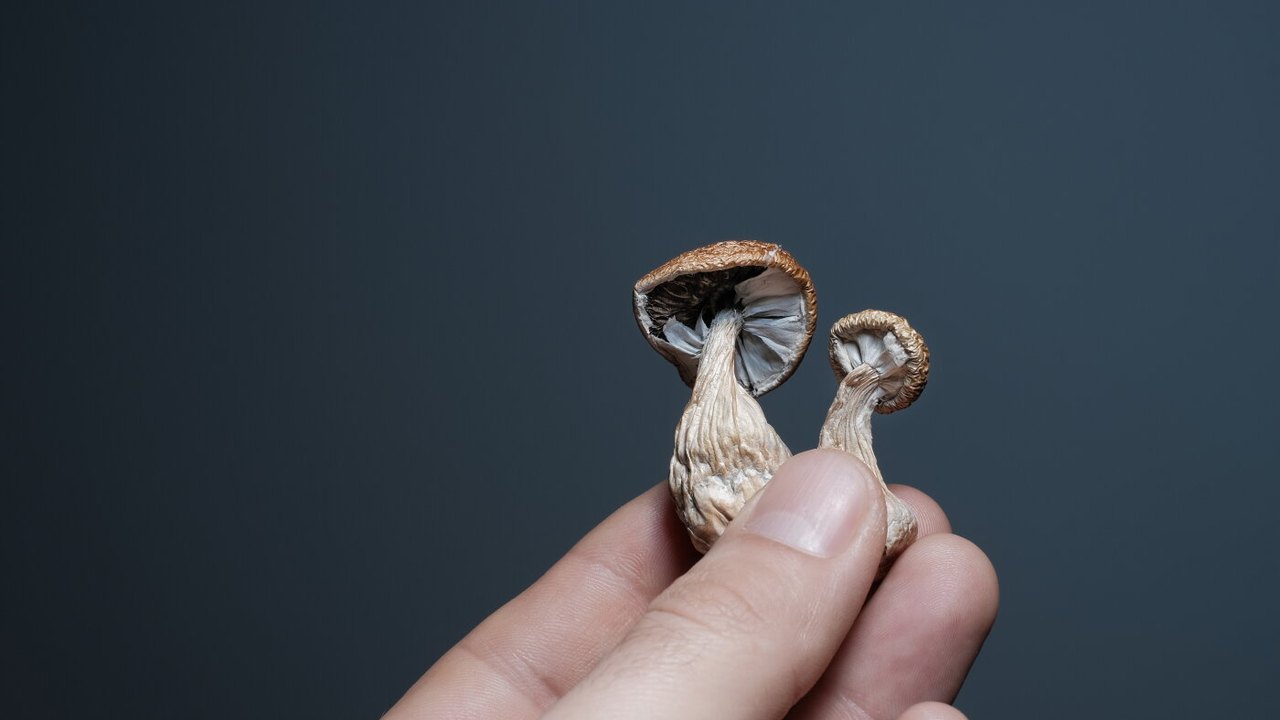
Image source: www.npr.org — rights not verified
Findings in Parkinson's Patients
A recent study published in the journal JAMA Psychiatry provides initial human evidence that psilocybin may combat systemic inflammation and support mitochondrial health. Researchers from the University of California, San Francisco (UCSF) analyzed blood samples from 12 patients with Parkinson's disease, a condition frequently associated with immune dysregulation and mitochondrial dysfunction. Following two psilocybin sessions, participants exhibited significantly lower levels of inflammatory signaling molecules, with improvements persisting for one month post-treatment.
Scientific Background and Context
While research on psychedelics has historically centered on their impact on consciousness via 5-HT2A serotonin receptors in the brain, these receptors are found throughout the human body. For over a decade, laboratory models and animal studies have suggested that psychedelics could act as potent anti-inflammatory agents. This latest study serves as a proof of concept, moving these observations from controlled laboratory environments into a clinical population. The researchers also noted that psilocybin appeared to provide a temporary reduction in markers of mitochondrial stress.
Limitations and Future Research
Despite the promising results, the authors emphasize that the study was a small-scale pilot focused on safety and feasibility rather than a definitive clinical trial. The study lacked a control group, and participants were aware they were receiving the active substance, which introduces the possibility of placebo effects. Co-author Dr. Aoife O'Donovan noted that while these objective biological markers offer a strong signal for further investigation, larger, randomized, and controlled trials are essential to validate these findings. Experts suggest that if confirmed, this mechanism could have broader implications for treating diverse conditions, including anxiety, depression, and cardio-metabolic disorders.
Verification for Readers
The full study details can be reviewed in the official publication at JAMA Psychiatry. Readers are encouraged to consult the primary research for a detailed methodology and to discuss any questions regarding neurodegenerative disease treatment with qualified medical professionals.
Source: https://www.npr.org/2026/10/21/nx-s1-6009441/psychedelics-brain-inflammation-immune-system
AI-assisted reporting; source claims are attributed and have not been independently verified.