NASA’s Neil Gehrels Swift Observatory Ceases Operations Ahead of Imminent Re-entry
2026-10-27 · GlobalTech Daily Editorial Desk · Source: science.nasa.gov
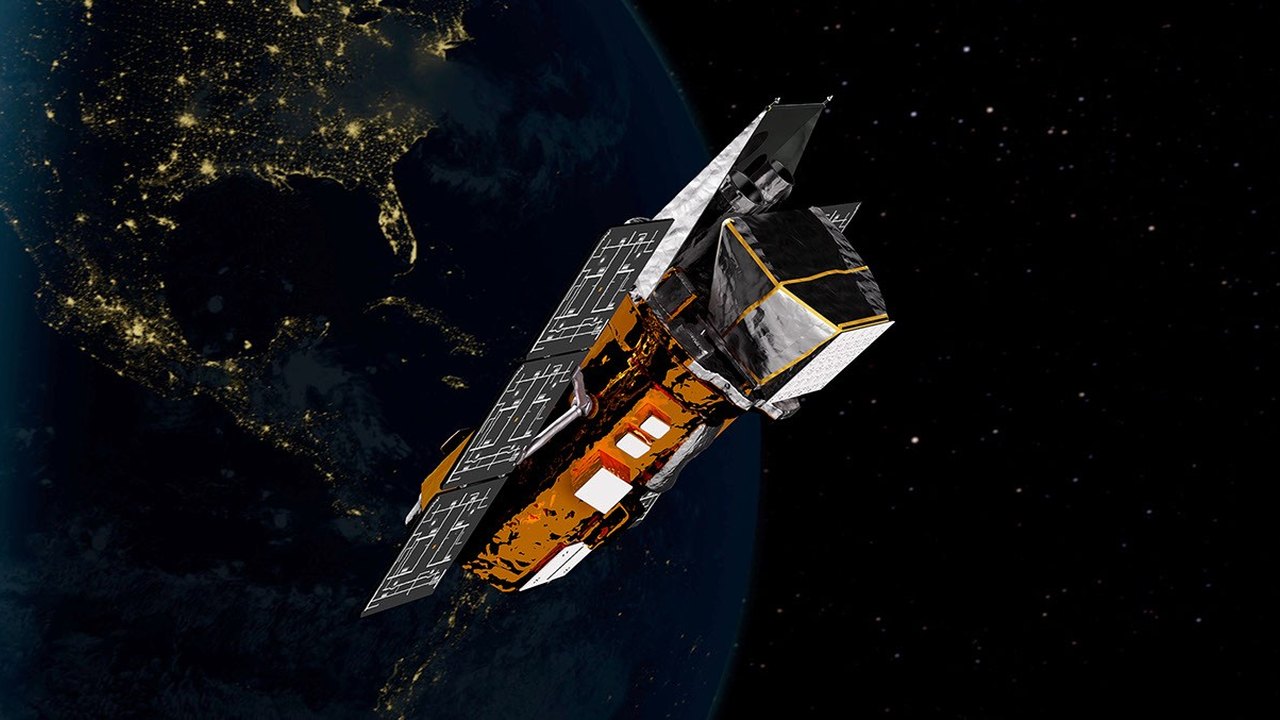
Image source: science.nasa.gov — rights not verified
Mission Conclusion
NASA has officially ended operations for the Neil Gehrels Swift Observatory, a long-standing satellite dedicated to the study of high-energy astrophysical phenomena. Following a series of orbital altitude challenges, the spacecraft entered safe mode on October 20, 2026, after dropping to an altitude of 171 miles (275 kilometers). Mission controllers at Penn State have since issued the final commands to decommission the observatory, transitioning the satellite into a state of preparation for its eventual atmospheric re-entry.
Impact of Solar Activity and Atmospheric Drag
Low Earth orbit satellites are constantly subject to atmospheric drag, a force that intensifies during periods of high solar activity. In Swift’s case, increased solar activity accelerated its orbital decay. While the operations team previously paused scientific observations to preserve altitude and accommodate a potential servicing mission, the mission did not proceed. Consequently, the spacecraft resumed its scientific data collection, which further increased drag and accelerated its descent.
Scientific Legacy
Since its launch, the Swift observatory has provided critical data regarding the universe's most violent events. Its final operational period proved productive, with the satellite capturing hundreds of observations, including remnants of stellar explosions, comets within our solar system, and active supermassive black holes located in distant galaxies.
Current Status and Verification
The spacecraft is expected to re-enter Earth's atmosphere within the coming weeks. Because the satellite is no longer actively compensating for atmospheric drag, its descent will continue until it encounters the denser layers of the atmosphere. Readers interested in the official timeline and mission updates can monitor the progress through the NASA Science mission blog at https://science.nasa.gov/blogs/swift/2026/10/23/nasas-swift-mission-ends-ahead-of-re-entry/.
AI-assisted reporting; source claims are attributed and have not been independently verified.