New Government Regulations Pave Way for E100 Flex-Fuel Vehicles in India
· GlobalTech Daily Auto Desk · Source: news.abplive.com
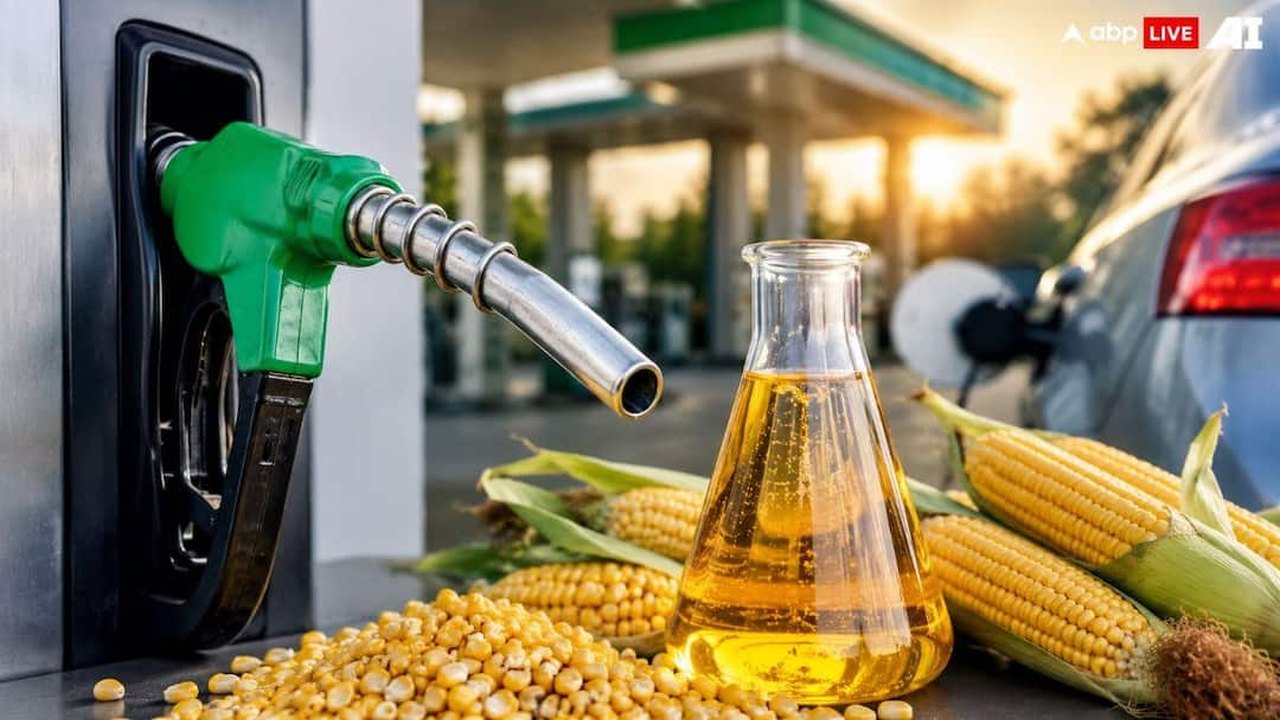
Image source: Sakshi Arora — rights not verified
Regulatory Shift for High-Ethanol Vehicles
The Indian Ministry of Road Transport and Highways (MoRTH) has officially amended the Central Motor Vehicles Rules to establish a regulatory framework for flex-fuel vehicles capable of operating on ethanol blends up to 100% (E100). The notification, issued on October 26, marks a significant shift in India's automotive fuel strategy, moving beyond the currently mandated E20 (20% ethanol) petrol blend.
Important Clarification for Car Owners
While the notification permits the use of E85 and E100 fuels, it comes with a strict caveat: these fuels are intended exclusively for vehicles specifically engineered and certified for such high ethanol concentrations. Existing vehicles designed for E20 or conventional petrol cannot utilize E85 or E100. Attempting to use higher ethanol blends in engines not designed for them could lead to significant compatibility issues and potential mechanical failure, as ethanol requires specific fuel system components to prevent corrosion and degradation.
Advancements in the Market
The automotive industry has already begun preparing for this transition. In June, Maruti Suzuki introduced the Wagon R Flex Fuel, touted as India's first passenger vehicle capable of running on blends ranging from E20 to E100. Other major manufacturers, including Toyota, Tata Motors, and Hyundai, are currently in the development phase for similar technologies.
Strategic Motivation and Consumer Concerns
The government’s drive toward higher ethanol blending is aimed at reducing India’s heavy reliance on imported crude oil, which has historically placed pressure on the country's current account deficit. Additionally, the move serves as a buffer against volatile energy supply chains, such as those impacted by geopolitical conflicts in West Asia.
However, the transition faces pushback from both consumers and manufacturers. Concerns persist regarding the reduced fuel efficiency (mileage) associated with ethanol-heavy blends. Furthermore, there are ongoing discussions within the industry regarding the long-term durability of engine components when exposed to high-concentration ethanol over extended periods.
Regulatory Adjustments
Beyond fuel specifications, the amendments also included an update to technical standards, raising the weight threshold for light petrol and diesel vehicles covered by these rules from 3,000 kg to 3,500 kg. These updates align with broader revisions to emission testing and vehicle classification protocols.
Readers can verify the specific text of the regulatory amendments through official government bulletins or the Ministry of Road Transport and Highways website.
Source: https://news.abplive.com/business/flex-fuel-vehicles-india-government-notifies-e100-ethanol-rules-1873233
AI-assisted reporting; source claims are attributed and have not been independently verified.
More to read
 Ultraviolette Unveils X-47 Venom: A Shift Toward the Modular VX 100 Platform
 Hyundai Set to Expand Indian SUV Lineup with Upcoming Bayon Launch
 Hyundai Bayon First Look: Bridging the Gap Between Venue and Creta with Radical Design and Spacious Cabin
 Hyundai Bayon to Expand Lineup with CNG Variant in Early 2027
Latest stories
Ultraviolette Unveils X-47 Venom: A Shift Toward the Modular VX 100 Platform Samsung P9 MicroSD Express Cards See Pre-Black Friday Discounts for Nintendo Switch 2 Users
 Understanding How Guardian Labs Labels Funded Content
 Slovenia Mourns Disappearance of Triglav Glacier After Record-Breaking Summer
 The Rising Cost of Death: Why Families Are Turning to Informal Send-offs