NASA Launches Commercial Satellite Communication Tests to Modernize Space Data Relays
2026-10-27 · GlobalTech Daily Editorial Desk · Source: www.nasa.gov
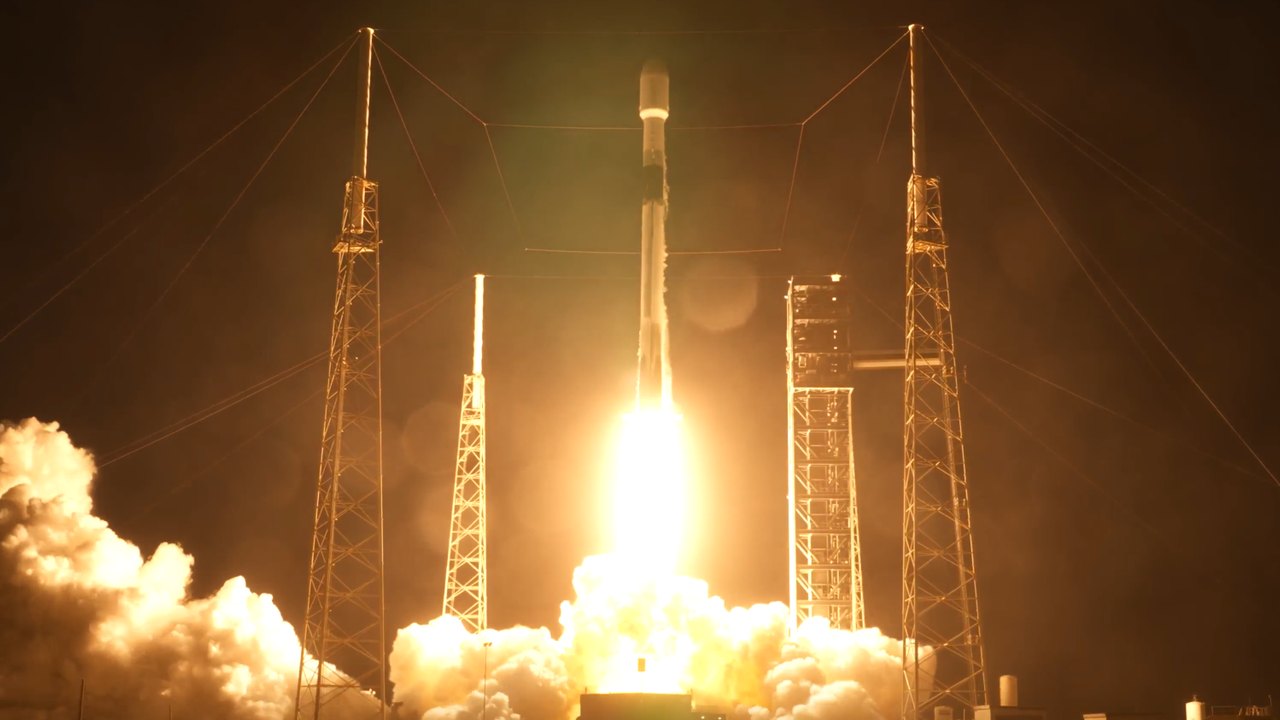
Image source: www.nasa.gov — rights not verified
Expanding Connectivity in Low Earth Orbit
On October 20, 2026, two NASA-funded technology demonstrations successfully launched into low Earth orbit (LEO) aboard a SpaceX Bandwagon-5 rideshare mission. This milestone represents a significant step in the agency's strategic transition toward relying on private sector infrastructure for communications, rather than exclusively utilizing its own aging hardware.
The Technical Challenge
Spacecraft operating in orbit require a constant, reliable flow of information. NASA categorizes this into two primary needs: high-rate data links, which handle massive datasets like high-resolution imagery and scientific findings, and low-rate signals, which are critical for tracking, telemetry, and sending basic command instructions. Maintaining these connections is vital for the safety and success of missions across the solar system.
Partnering for Innovation
Two commercial partners, Viasat and SES Space and Defense, are leading the demonstrations. Viasat is utilizing a Rocket Lab-built spacecraft named Maxwell to test autonomous routing technologies. This system aims to seamlessly move data between LEO spacecraft, geosynchronous orbit (GEO) satellites, and ground stations. Meanwhile, SES Space and Defense is leveraging their O3b mPOWER constellation located in medium Earth orbit (MEO) for high-rate data transmission, supplemented by GEO satellites for low-rate signaling, to ensure uninterrupted connectivity.
Background and Long-Term Goals
This initiative stems from a 2022 decision by NASA’s Space Communications and Navigation (SCaN) division to award $278.5 million through the Communications Services Project. The primary objective is to develop a robust commercial marketplace for satellite communications. By fostering these industry capabilities, NASA plans to gradually retire its legacy Tracking and Data Relay Satellite (TDRS) fleet. This transition is intended to lower costs and leverage modern, state-of-the-art relay services for future missions.
What Comes Next
The demonstrations will continue over the coming weeks as the spacecraft undergo rigorous testing of their relay services. The Communications Services Project, managed by NASA’s Glenn Research Center, will continue these industry collaborations through 2027 to validate the viability of these commercial networks. Readers can monitor progress and access official updates via the NASA website at https://www.nasa.gov/blogs/smallsatellites/2026/10/20/two-nasa-commercial-satellite-communication-demonstrations-launch/.
AI-assisted reporting; source claims are attributed and have not been independently verified.